
How to prevent underarm odor without using conventional antiperspirants. Discover natural and effective ways for staying odor-free all day.

It was while washing my hair over the sink at age 13 that I first noticed underarm odor, which I soon stopped with an antiperspirant-deodorant containing aluminum salts. It was the most obvious thing to do at the time.
Applied once daily, it worked well, so I continued using it into middle age.
It was then that news broke that antiperspirants could be less than healthy, a theory that remains controversial to this day.
For my own peace of mind, I began to experiment with other ways of preventing underarm odor. This led me to discover a few personal hygiene tricks and ingredients that turned out to be far more effective than commercial deodorants.
What Causes Underarm Odor?
But first, let’s take a look at what causes underarm odor.
The secretory organs found in the armpits are called apocrine glands. These produce a composition of water, lipids, protein, carbohydrates, and ammonium.
This in itself does not smell bad. But it does provide the type of moist environment in which bacteria thrive.
The cloying, offensive smell that we call B.O. (body odor) is the bacterial breakdown of the lipids and protein combined with sebum and cells shed from the skin and hair.
Apocrine glands, which become active during puberty, are also present in the nipples, eyelids, ear canal, and groin.
The rest of the body produces an odorless sweat composed of water and salt from the eccrine glands. These are stimulated by heat and humidity, as well as stress, anxiety, nervousness, anger, sexual arousal, and certain foods.
If you’ve noticed that body odor is more prevalent in men, it’s because we have more sweat glands, which are also larger than in women.
The Difference Between Antiperspirants and Deodorants
Both antiperspirants and deodorants can reduce underarm odor, but they are not one and the same.
An antiperspirant blocks sweat glands with highly astringent aluminum salts. It’s an effective way to stay dry, preventing stains and damp patches on clothes.
A deodorant without an antiperspirant component neutralizes and masks odor, as well as reducing bacteria. But it doesn’t prevent sweat.
Wearing a tank top helps wick sweat away from the skin and protects dress shirts. For polo shirts and T‑shirts, underarm sweat pads are an option. They come in disposable and reusable versions and don’t create undergarment lines.
DIY Deodorants
But undershirts and underarm sweat pads aren’t the only alternatives to antiperspirants.
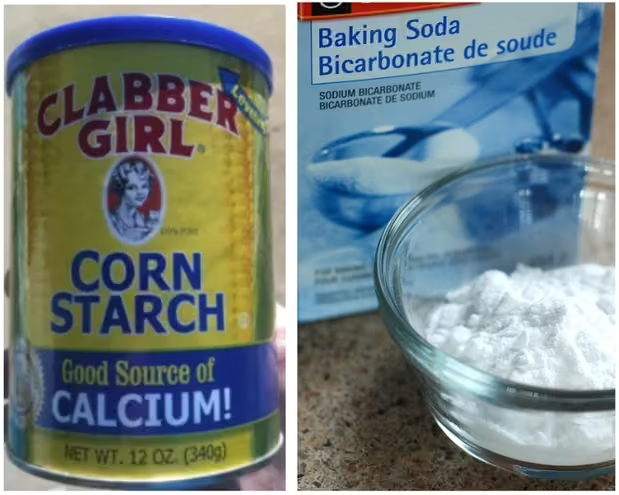
Cornstarch and Baking Soda
A mixture of cornstarch and baking soda applied to the underarm in equal parts with an old shaving brush or cotton ball can keep you dry and odor-free all day long.
The cornstarch absorbs moisture while the baking soda neutralizes odor.
Apple Cider Vinegar (ACV)
As an astringent, apple cider vinegar temporarily constricts sweat glands in a similar way to aluminum salts in antiperspirants.
Dilute 1-to-1 with water and apply to the armpits with a cotton ball.
For good measure, add the above cornstarch and baking soda mixture after it’s dried.
Other astringents to try are witch hazel and diluted lemon juice.
Being acidic, all of these lower the skin’s pH—the significance of this is covered below under the heading “Personal Hygiene.”
Zinc Oxide Ointment
You probably know this as diaper rash cream.
Applied to the armpits, it deodorizes for longer than most commercial deodorants—often for days rather than hours.
Zinc oxide is antibacterial and water-resistant, which is why it can remain effective even after swimming, bathing, or showering.
Simply massage a pea-sized portion into your armpits until it becomes invisible.
For a fresh fragrance, transfer the ointment from its tube to a sealable container, and add a single drop of therapeutic-grade essential oil of lemon balm, mixing well. This also enhances the ointment’s antibacterial effect.
Caution!
Be aware that essential oils can cause irritation. Carry out a 24-hour patch test of the finished mixture on your inner elbow before applying it to your armpits.
Personal Hygiene
Apart from deodorants, cleanliness and personal hygiene play a fundamental role in the prevention of underarm odor.
Showering and bathing are essential to wash away the daily buildup of decomposed sebum and shed cells. But while soap is good at removing surplus bacteria, it’s not your best option where your armpits are concerned.
Stop Underarm Odor With the Right Cleansing Agent
I also cover this in my post How to Smell Good: A Guide for Men, but the trouble with soap is that it raises the skin’s pH, creating the kind of alkaline environment in which armpit bacteria thrive.
A pH‑neutral face and body wash is therefore a better option. But even that only addresses part of the problem.
Exfoliate Your Underarms
Even after washing and deodorizing, underarm odor can still linger. This is because of buildup that soaps and body washes can’t completely remove.
A face wash containing salicylic acid reduces the skin’s pH and works as a safe chemical exfoliant on the underarms, dissolving the oily buildup that holds odor. Use it every other day.
A wash cloth works as a mechanical exfoliant, physically removing dead cells and buildup. Or try an exfoliating body wash with jojoba beads. Both can be used daily.
Grittier body scrubs with baking soda or sugar also do the trick. Baking soda raises the skin’s pH but neutralizes odor, while sugar lowers it. Use a couple of times a week.

Does Shaving Stop Underarm Odor?
It’s a fallacy that shaving the armpits prevents underarm odor.
Firstly, although bacteria multiply on hair, it’s at a much lower rate than on the skin. Secondly, hair absorbs moisture, which keeps the skin dry to create an environment less favorable to bacteria.
In most men, underarm hair is acceptable and expected. But if you feel it’s too bushy to be attractive, trim instead of removing it completely.
How Diet and Hydration Influence Underarm Odor
Foods containing sulfurous compounds exacerbate body odor. These include onion, garlic, red meat, and ultra-processed products. Excess alcohol consumption also affects the way sweat smells.
But important for the apocrine glands in particular is hydration.
Adequate water (at least 8 cups) regulates body temperature and dilutes sweat, making it less concentrated and less odorous.
Clothing and Fabrics that Prevent Underarm Odor
If underarm odor is an issue, consider your clothing.
Breathable and Moisture-Wicking Garments
To keep the armpits dry, fabrics worn against the skin should be breathable, such as bamboo and polyester microfibers.
These are also moisture‑wicking, drawing sweat away from the skin and toward the outside of the fabric for evaporation.
Laundering
Regular laundering is as important as daily showering.
Change undergarments and shirts daily. Items like sweaters and jackets that are laundered less regularly should be sniffed before wear.
None of the personal hygiene techniques listed above are expensive or difficult, and they all keep odor and sweat in check. Antiperspirants may be convenient, but if you’re not comfortable with them, there’s no reason to go back.
© 2025 J. Richardson


