
Increase NEAT by forming simple daily habits that boost calorie burn and fitness, whether it’s walking, tidying, pacing, or just fidgeting. Start today.
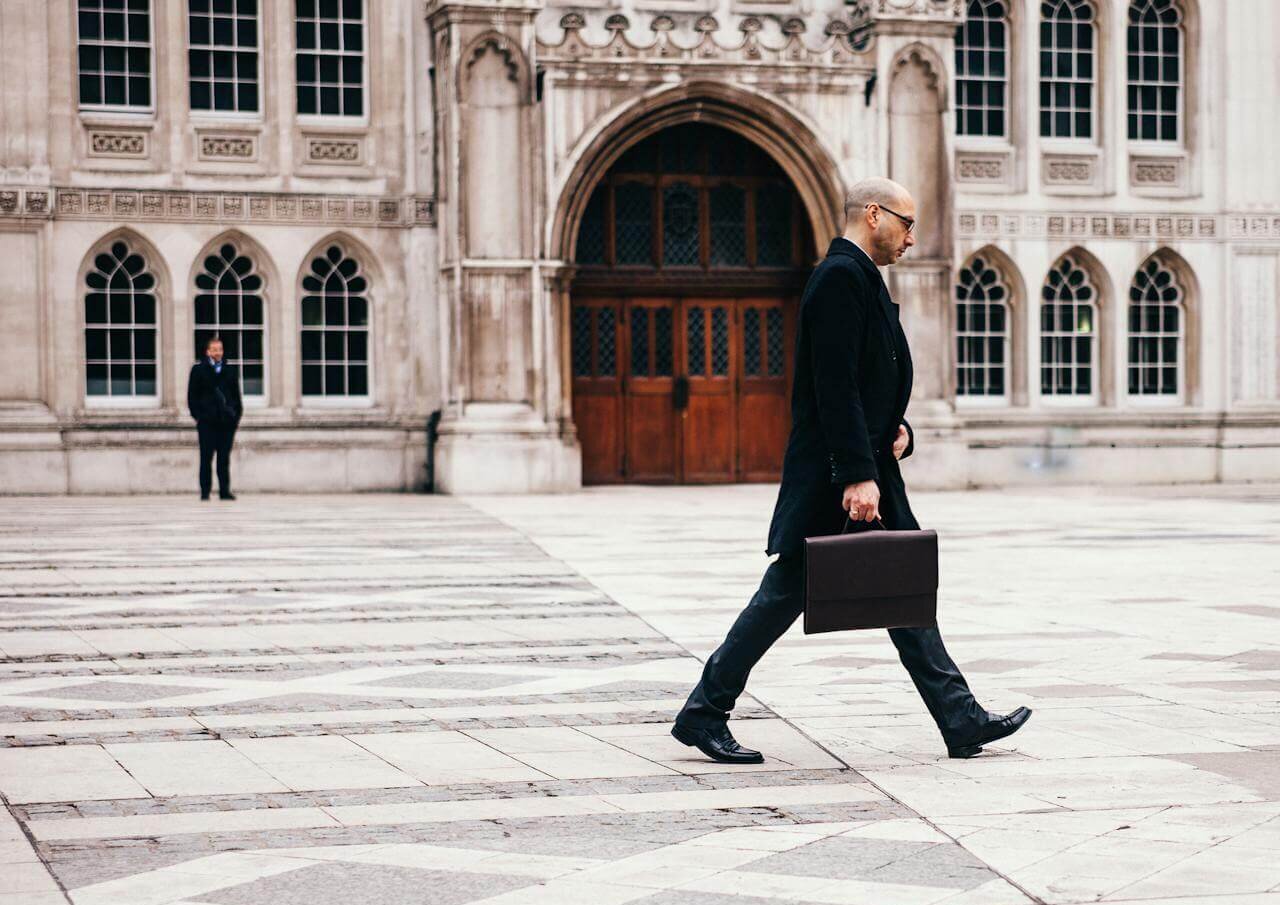 Source: Pexels
What is NEAT?
An almost effortless yet effective way to stay trim and fit is by increasing non-exercise activity thermogenesis, better known as NEAT. This is the energy we expend on everyday tasks that aren’t considered sport, like household chores, walking, climbing stairs, and even fidgeting.
These small actions already make up a substantial part of our daily calorie burn—the literal translation of thermogenesis is “heat formation.” Increasing them or treating them as a sort of workout supports weight control and overall fitness.
The Benefits of Increasing NEAT
Increased NEAT isn’t going to give you bulging muscles. But for men like me who won’t stick with “no pain, no gain” workouts, it’s a more tenable option.
This is what NEAT can do for you:
- Mood Enhancement and Stress Relief: Light, spontaneous movement stimulates endorphins, reduces cortisol, and helps regulate circadian rhythm.
- Mental Well‑Being and Focus: Breaking up sedentary time with small movements improves alertness, concentration, and productivity, especially in office settings where long sitting periods can dull focus.
- Energy and Vitality: NEAT helps maintain steady energy levels throughout the day. Instead of the fatigue that comes from prolonged sitting, small bursts of activity keep circulation and oxygen flow consistent.
- Longevity and Reduced Mortality Risk: Research links consistent low‑intensity movement (like walking 7,000–9,000 steps daily) with reduced mortality rates, independent of scheduled gym sessions and other structured exercise.
- Metabolic Efficiency: Even outside of weight control, NEAT supports healthier blood sugar regulation and metabolic flexibility, lowering risks associated with a sedentary lifestyle.
- Visceral Fat Reduction: Men tend to store more visceral fat around the abdomen. Steady, low‑intensity movement can help reduce it.
Incorporating Increased NEAT Into Daily Life
Unlike gym workouts, NEAT requires no equipment, no scheduling, and no special environment. You can begin right now.
All it takes are small, disciplined choices in your daily rhythm. As a side effect, these may carry over into bigger areas of your life.
To enhance the effects of increased NEAT, I quit smoking in 2012, drink no more than a glass of wine or champagne about twice a year, practice intermittent fasting, and avoid sugar wherever possible.
Morning Routine
Getting Ready for My Day
As previously mentioned, NEAT encompasses tasks you complete daily that don’t count as sport. Adding to these increases it.
So, aside from my daily ablutions, I clean the bathroom after use each morning. Nothing extensive; just a squirt of my vinegar and dish soap mixture and a quick polish with a microfiber cloth or a couple of paper towels for the lavatory—it’s a two-minute job.
I’m also in the habit of making my bed before leaving the house.
Not only do these extra activities increase NEAT, they give an enhanced sense of order, setting me up positively for the day ahead.
Going to the Office
I used to cycle to the office, but since bicycles have become such a nuisance to motorists and pedestrians in my current city, I started to walk.
I live only 20 minutes from my workplace, but the journey takes me over a bridge and up a ramp steep enough to feel the strain in my thighs. The brisk walk leaves me slightly out of breath, providing cardiovascular benefits similar to moderate exercise.
If you commute, take the train or subway instead of the car. Walk to the station and get off one or two stops earlier.
Increasing NEAT Throughout the Day
Using the Stairs
NEAT isn’t about spectacle. You don’t have to be seen climbing 40 flights of stairs only to arrive in your office space red-faced and gasping for air.
I take the elevator to and from the sixth floor, which is where my office is located. But for one or two floors, I use the stairs. That’s what we mean by “small choices.”
Breaking Up Sedentary Time
Back in 2017, I suffered deep vein thrombosis (DVT) caused by a genetic mutation. This means wearing a compression sock and avoiding long periods of sitting.
Luckily, my job involves many trips to the photocopier. And I enjoy the coffee machine more than I should, which is some distance from my desk.
Apart from that, I fidget.
While sitting, I use the whole seat most of the time, but occasionally shift forward and lean back, then do the opposite.
I also perform the following micro-movements:
- I stretch my leg out before me and whip my foot to and fro.
- With my foot on the floor, I rock it from heel to toe. This noticeably stretches the calf muscles.
- I lift my foot from the floor for a few seconds, thus raising the knee and activating the thigh.
- I tap my foot as though to a musical beat.
Repeat each of these “fidgeting exercises” at regular intervals.
You can do them any place, any time. Even while waiting in the doctor’s office. They’re NEAT and inconspicuous.
What More Could I Do?
I’m lucky enough to work at one of the most luxurious office buildings in the city, offering all manner of ergonomic equipment.
For employees seeking exercise, we have a gym, a few trampolines, plus massage chairs for recovery. I haven’t yet visited the “Wellness Oasis” on the third floor, but there’s probably a lot more to discover.
For those who only want to increase NEAT, we have height-adjustable desks, anti-fatigue standing desk mats, and there are exercise bicycles with which to replace our desk chairs.
Unfortunately, I can’t coordinate touch typing with pedaling. And in an open plan office, it all seems so “look at me.”
But that’s probably just my self-consciousness; I’d advise taking advantage of such facilities if available.
My company would even supply a height-adjustable desk for my apartment if had more space. I could then increase my NEAT while working from home—and even more so with one of their anti-fatigue mats. Being cushioned, these encourage subtle movement, which keeps muscles active.

Evening Routine
So far, I’ve only addressed office environments.
This is because manual workers already expend energy through their jobs. For them, increasing NEAT at the workplace would probably be meaningless if not impractical. But it could help after work:
- Targeted Movement: Work often relies on repetitive motions. Increased NEAT can introduce variety—different muscle groups, gentle mobility, posture correction.
- Health Maintenance: Even active jobs may leave gaps (cardio, flexibility). NEAT modestly fills them.
- Age and Longevity: As manual workers get older, extra NEAT outside of work prevents stiffness and supports recovery.
Chores that Increase NEAT
I don’t slump before the TV with a bag of chips after work. I’m very careful about what I eat, which indirectly adds to my NEAT.
I practice intermittent fasting, meaning I skip breakfast. And I don’t eat in our employee restaurant since its offerings don’t comply with my dietary preferences.
Therefore, I make sandwiches for the following day and prepare a simple evening meal using fresh ingredients. These are mostly one-pot or pressure cooker recipes.
A further NEAT discipline: I never sit down to relax before washing the dishes.
Surfaces I use daily—whether kitchen counters, the coffee table, or my desk—are wiped down each evening with a vinegar and dish soap mixture. I vacuum and dust a couple of days a week to save me having to do it on weekends.
Grocery shopping is a once-a week-job, which I do on Thursdays after work. To get what I want, I use a market some distance from my apartment. This involves taking the subway, walking, and then lugging two heavy bags plus my laptop case.
I could choose convenience over discipline and go to the market around the corner, but that wouldn’t increase my NEAT. And I’d probably end up eating junk.
Winding Down
Winding down doesn’t mean collapsing on the sofa or propping up the bar. On the other hand, the old British weightlifting joke about raising a beer from table to mouth is technically NEAT, as is the walk to the pub.
But this is about fitness.
There are other light yet enjoyable activities that increase NEAT, such as puzzles, massage, playing with pets, appreciating music, or tending dahlias. I’ve explored these in more detail here.
Music is my favorite. For most of us, just listening causes the body to move. Making music is even better—as long as you don’t disturb the neighbors.
Another is typing. Outside of workplace tasks, this counts toward increased NEAT. Creating articles or corresponding with friends by email or social media helps me forget the workday and unwind.
When telephoning with friends, I’m in the NEAT habit of pacing—I can’t do this in the workplace, since I’m bound by a cabled headset.
It’s only later that I sit down to my nightly pastime of watching YouTube videos.
Weekend Routine
The weekend is a time to pursue hobbies and reset.
Maybe you walk in nature, take in a ball game, tend to the garden, play with your model railway, or go out dancing. These are all NEAT activities.
I usually publish a new article on Sundays. As already mentioned, typing it up to a cohesive piece of writing is NEAT. So is ironing my dress shirts and preparing my supplements for the week ahead.
I also get up early, put on a suit and tie, and walk to worship, which anchors my discipline and is the highlight of my social life.
Increasing NEAT is not a substitute for sport‑like exercise. The gym and athletic activities have benefits that NEAT alone cannot provide. But for men who do no sport—or find “no pain, no gain” routines unsustainable—stepping it up is far better than doing nothing at all.
Think of increased NEAT not as a replacement, but as reinforcement. It fills the gaps, keeps the body active, and builds discipline without spectacle. And once you begin, you’ll find that it doesn’t just help you stay trim—it inspires you to live more successfully.
© 2025 J. Richardson


